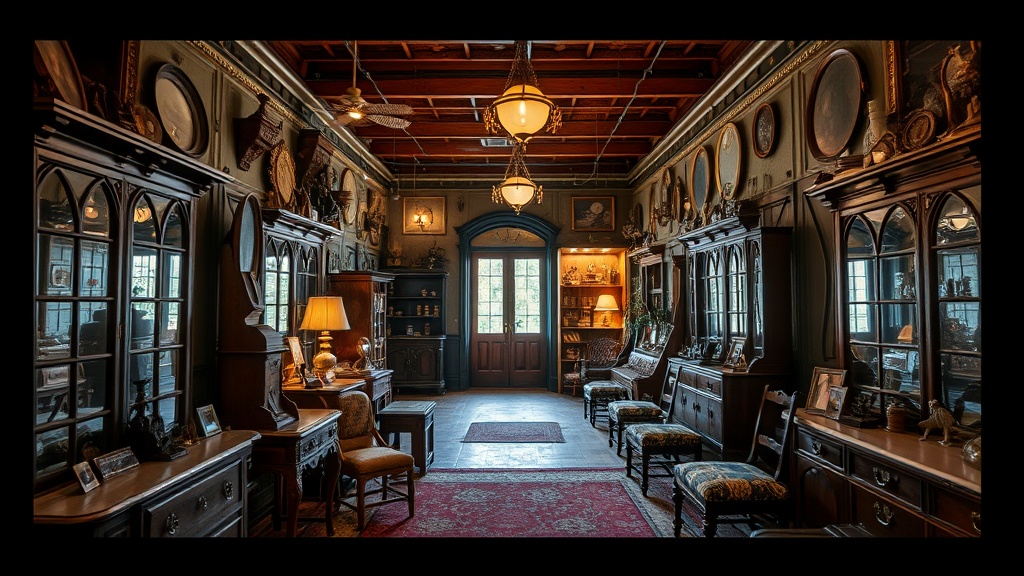
Finding Hidden Gems Among Local Buckingham Antique Shops

This guide identifies the best antique shops in Buckingham and the surrounding Outaouais area, offering specific tips on what to look for, how to spot quality, and how to negotiate prices. You'll find a curated list of locations, advice on identifying authentic vintage items, and a breakdown of the local antique market trends.
Where Can I Find Authentic Vintage Furniture in Buckingham?
The best vintage furniture is often found in smaller, specialized shops tucked away on the outskirts of the downtown core or in nearby rural areas. While some people head straight to big-box thrift stores, the real treasures—like solid oak sideboards or mid-century modern coffee tables—are usually sitting in curated antique boutiques or even local estate sales.
If you want high-quality pieces, keep an eye on the shops near the old industrial sectors. These spots often house heavy, durable furniture that has stood the test of time. You won't find much "fast furniture" here; it's all about the heavy lifting and the craftsmanship of previous generations.
One thing to keep in mind: weight matters. If you're looking for a solid wood dining table, make sure your vehicle can handle the load. I've seen plenty of people try to squeeze a mahogany desk into a compact car—it rarely ends well (and usually results in a scratched interior).
Check out the local estate sale listings on sites like Craigslist or Facebook Marketplace. Many locals list high-end items there before they ever reach a formal antique shop. It’s a way to get a head start on the competition.
What to Look for in Antique Woodwork
When you're browsing, don't just look at the surface. Check the underside or the back of drawers. If you see dovetail joints, you've found something worth your money. These joints are a sign of quality construction and longevity.
| Feature | What It Means | Quality Level |
|---|---|---|
| Dovetail Joints | Hand-fitted wood pieces | High |
| Veneer Peeling | Thin layer of wood lifting | Low/Needs Repair |
| Solid Wood Weight | Heavy, dense material | High |
| Machine Nails | Modern, mass-produced construction | Low |
How Much Does Antique Decor Cost in the Outaouais?
Antique prices in our region vary wildly based on the item's age, rarity, and current demand. A simple piece of 1970s Pyrex glassware might cost you $20, while a hand-carved Quebecois antique chest could easily run into the thousands.
Generally, you should expect to pay a premium for items that are "certified" or have a documented history. Most casual antique finds in Buckingham fall into the "nostalgia" category—items that are beautiful and functional but don't necessarily carry a massive collector's premium. This is great for decorators on a budget.
Here is a rough breakdown of what you might spend on common finds:
- Vintage Kitchenware (Pyrex, CorningWare): $15 – $50 per piece.
- Mid-Century Modern Lamps: $40 – $120 depending on the brand.
- Solid Wood Side Tables: $75 – $250.
- Hand-painted Quebecois Ceramics: $30 – $100.
The catch is that prices are often non-negotiable in highly curated boutiques. However, if you're at a larger flea market or a garage sale in the neighborhood, there's much more room to haggle. Always have a little cash on hand for these smaller transactions.
If you find yourself looking for something specific, like a vintage piece of outdoor gear or a sturdy wooden bench, you might find better deals at local-run shops. It's a nice way to spend a Saturday morning—wandering through aisles and seeing what's new. If you're looking to decompress after a long week, you might also enjoy exploring some of our quiet green corners nearby.
How Do I Identify Real Antiques Versus Reproductions?
To identify a real antique, you must examine the construction details, the weight, and the patina of the item. Reproductions are often made to look old, but they lack the subtle imperfections of true vintage pieces.
Look at the hardware first. Real antique furniture often uses hand-forged iron or brass that shows signs of wear and slight irregularities. If every screw is perfectly uniform and shiny, it's likely a modern reproduction. A modern piece will often use Phillips head screws, whereas older pieces use flat-head or even hand-driven nails.
Check the weight too. Genuine antiques are often much heavier than their modern counterparts. This is due to the density of the old-growth wood used in the past. If a "vintage" cabinet feels suspiciously light or hollow, it's probably a newer piece made of particle board with a thin veneer.
Another tip: look at the back. The back of a dresser or a cabinet tells the real story. If it's smooth, clean, and perfectly even, it's new. If it's slightly uneven, has visible wood grain, or shows signs of hand-planing, you're looking at a real antique.
It’s worth noting that many people mistake "vintage" for "antique." Technically, an antique is at least 100 years old. Anything from the 1950s to the 1990s is simply vintage. Knowing the difference helps you set realistic expectations for your budget.
Common Red Flags to Watch For
- Plastic "Wood" Grain: If the texture feels too perfect or looks like a print, stay away.
- Too Much Shine: High-gloss finishes on "old" items are often a sign of a recent refinish or a modern build.
- Perfect Symmetry: Hand-made items have tiny flaws. Perfection is a sign of a machine.
If you're interested in the history of how these items were made, the Wikipedia page on antiques offers a great deep dive into the technicalities of dating objects. It's a helpful resource if you want to become a real expert.
When you're out hunting, don't be afraid to ask the shop owners questions. Most of the people running these local shops are passionate about their collections and love sharing what they know. They can often tell you the exact era a piece comes from or even the history of the local craftsman who made it.
Just remember to be respectful of the space. These shops are often small and can get crowded on weekends. Take your time, breathe in the history, and don't feel pressured to buy something just because it's the first interesting thing you've seen all day.