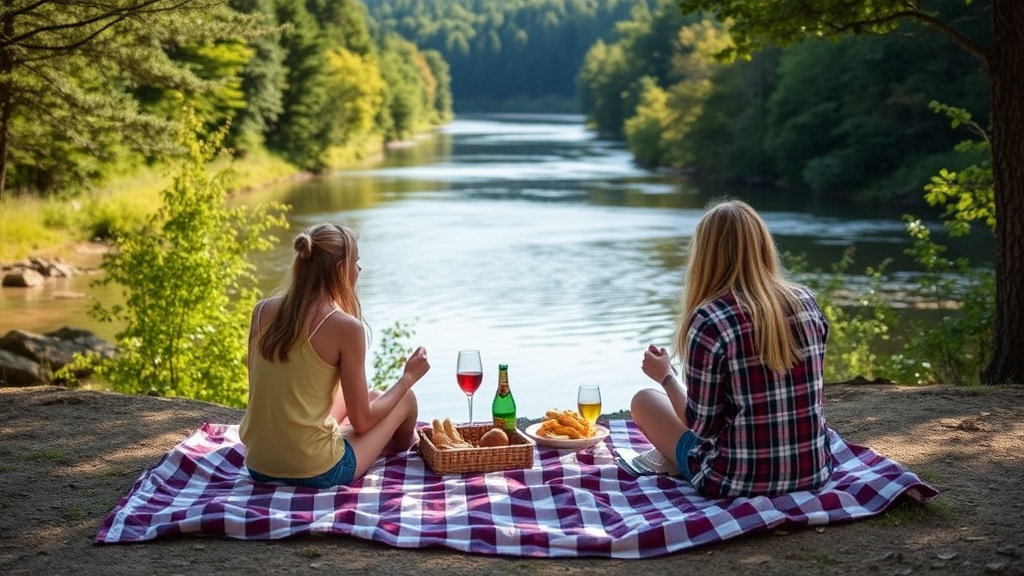
Planning Your Perfect Picnic Near the Gatineau River

Are you wondering where to find the best shade and easiest access to the water for a family outing near the Gatineau River? This guide breaks down everything you need to know about planning a picnic near our local riverfront, from the best spots in Buckingham and Masson-Angers to the specific gear you'll need to stay comfortable. We'll look at food prep, weather considerations, and how to pick a location that suits your group's energy level.
Where are the best picnic spots near the Gatineau River?
The best picnic spots near the Gatineau River depend on whether you want a quiet, secluded nook or a lively area near a playground. For families with young kids, the parks near the Masson-Angers side offer more amenities like paved paths and accessible bathrooms. If you're looking for something a bit more rugged—perhaps a spot where you can hear the rushing water more clearly—the various access points along the riverbanks offer a more natural feel.
Most locals gravitate toward the public parks that line the river's edge. These spots are perfect because you get that immediate sense of scale that the Gatineau River provides. It's not just about the food; it's about the view. You'll want to check the Gatineau Park official site for any seasonal closures or specific rules regarding fire pits or large gatherings, as regulations can change depending on the time of year.
If you prefer a more urban feel with easy access to coffee and pastries, you might want to grab a box of treats from a local bakery first. I often find that a quick stop at a local shop makes the whole experience better. If the weather turns, you might find yourself looking for cozy spots for a rainy day nearby instead.
Top Picnic Locations at a Glance
| Location Type | Best For... | Vibe |
|---|---|---|
| Public Parks (Masson-Angers) | Families & Kids | Lively, accessible, paved paths |
| Riverbank Access Points | Nature Lovers/Solo | Quiet, natural, slightly uneven ground |
| Riverside Trails | Hikers & Walkers | Active, scenic, moderate walking |
What gear should I bring for a riverside picnic?
You should bring a combination of comfort items (like a waterproof blanket) and utility items (like a high-quality cooler) to handle the unpredictable river weather. The Gatineau River area can get a bit damp or breezy even on sunny days, so being prepared is the difference between a great afternoon and a soggy mess.
First, let's talk about the foundation. Don't just grab any old sheet from your linen closet. A heavy-duty, waterproof-backed blanket is a lifesaver. If the grass is a bit damp from the morning dew—which it often is near the river—you'll be glad you have that barrier. I personally swear by the YETI Hopper series for keeping drinks cold, but a standard Coleman cooler works just fine if you're staying local for a few hours.
Don't forget the seating. If you aren't sitting on a blanket, bring lightweight folding chairs. I've seen too many people try to sit on a fallen log only to realize it's damp or uncomfortable. A few extra items to consider:
- Portable Power Bank: For your phone or a small Bluetooth speaker.
- Insect Repellent: The mosquitoes near the water can be aggressive in July.
- Sunscreen: Even if it's cloudy, the reflection off the water can catch you off guard.
- Wet Wipes: Essential for sticky hands after eating fruit or sandwiches.
If you're planning a bigger outing, maybe even a small hike, a sturdy backpack like an Osprey model can help distribute the weight of your supplies. It keeps your hands free for navigating the uneven terrain near the riverbanks.
How much does a riverside picnic cost?
A riverside picnic can cost as little as $20 for a solo outing or significantly more if you are catering a large group with premium deli items. Most of the costs are entirely under your control based on whether you shop at a local grocery store or a high-end specialty shop.
For a budget-friendly option, you can prep everything at home. I usually head to the local market to grab fresh produce and bread, which keeps the cost down. If you're looking for more inspiration on where to source your ingredients, check out my post on seasonal market finds and local freshness. Buying local isn't just better for the community—it often means the produce is much more flavorful for your outdoor meal.
Here is a rough breakdown of what you might spend for a group of four:
- The Budget Option ($40-$60): Sandwiches made from home-bought ingredients, fruit, and water/juice.
- The Mid-Range Option ($80-$120): A mix of store-bought deli meats, cheeses, a nice bottle of sparkling cider, and perhaps some local pastries.
- The "Treat Yourself" Option ($150+): High-end charcuterie, specialty cheeses, artisanal breads, and premium beverages.
One thing to keep in mind—and this is a big one—is that most public parks in our area don't have much in the way of trash services if you go to the more remote spots. You'll want to bring your own trash bags to ensure you leave the riverbank exactly how you found it. It's a small effort that makes a huge difference for everyone else.
What foods travel best for outdoor dining?
Foods that are stable at room temperature and won't get "soggy" are your best bet for a successful picnic. You want items that can withstand a bit of a bumpy car ride and a few hours out of the fridge.
Sandwiches are a classic, but skip the ones with heavy mayo or lettuce that will wilt. Instead, try a hearty grain salad or a pasta salad. These hold up beautifully in a container and actually taste better when they've had a little time to marinate. I love a simple Mediterranean pasta salad with olives and feta—it's refreshing and doesn't require much effort.
Fruit is another winner. Instead of whole melons that are a pain to cut, bring berries or pre-sliced apples. Just be careful with the apples; if you slice them too early, they might brown. A quick toss in a bit of lemon juice prevents that.
If you're looking for something a bit more substantial, savory hand pies or even a cold fried chicken—which is a staple for many outdoor gatherings in Quebec—are excellent choices. They are easy to eat with your hands, which means fewer utensils to carry and wash.
The catch? If you are bringing anything that relies heavily on ice-cold temperatures (like seafood or certain dairy products), you absolutely must use a high-quality cooler. I've seen people try to "wing it" with a simple grocery bag, and it never ends well. The heat near the river can be quite intense in the mid-afternoon.
Always remember to pack your heavy items at the bottom of the bag and your delicate items (like bread or berries) at the top. This prevents your sandwich from becoming a flat, crushed pancake by the time you reach your spot on the grass.
Steps
- 1
Pick Your Perfect Spot
- 2
Gather Local Flavors
- 3
Pack the Essentials
- 4
Check the Weather and Tide